


Does Lip Filler Make Your Lips Age Faster? What You Should Know
Lip fillers are one of the most commonly performed cosmetic procedures, and for good reason. When used thoughtfully, they may help restore lost volume, improve definition, and create a more balanced lip appearance. However, there are important nuances in how lip fillers work, how they interact with facial anatomy, and how overuse or improper technique can influence long-term outcomes.
In this article, we review evidence-based insights on lip filler to help you make an informed decision. We’ll explore how lips change with age, what fillers can and cannot do, how to approach treatment safely, and when regenerative or surgical alternatives may be more appropriate.
How Lips Change With Age
As part of the natural aging process, lips gradually lose intrinsic volume and elasticity. Collagen and elastin production decline with time, fat pads in the lips shrink, and the vermilion border (the defined edge of the lip) can become less pronounced.
These age-related changes occur independently of cosmetic treatments. They happen because of intrinsic aging and repeated muscle movement around the mouth.
It’s also important to understand that dermal fillers do not stop biological aging. They may replenish volume or reshape certain structures, but they do not alter the underlying aging process itself.
When Lip Filler Becomes a Problem
Volume loss does contribute to lip aging, but filler should not be the only strategy used to address it. At 5C Cosmetics, we see these issues most often arise when filler is used too frequently, in excessive amounts, or placed in suboptimal anatomical planes.
Hyaluronic acid is a substance naturally found in the body, but complications related to fillers are typically the result of how and where it is used, rather than the material itself. Over time, repeated injections without adequate planning can contribute to changes in lip shape, proportion, and tissue behavior.
One important consideration is longevity of filler and their repeated use. While fillers are often described as temporary, growing evidence suggests that hyaluronic acid filler actually can persist in tissue far longer than the patient commonly expected.
Research supporting long-term filler presence includes:
- MRI imaging shows long-term filler presence (Master et al. & multiple studies).
- Histology evidence (Bennett).
- Surgical findings repeatedly confirm filler retention.
Emerging research, including an upcoming paper co-authored with Dr. John K. Nia, has examined lip filler migration in over 50 patients undergoing lip lift surgery. In this series of consecutive cases, migrated filler was identified in the majority of patients, extending beyond the original injection site. These findings underscore the importance of conservative use and precise placement.
What Lip Fillers Actually Do
From a medical standpoint, dermal filler functions as a type of implant. Like other implants, filler can influence surrounding tissue dynamics over time. Factors such as volume, placement depth, duration, and localized inflammation all play a role in how tissue responds.
Unlike traditional implants, filler is not contained within a shell or confined space. This means its behavior depends heavily on anatomy and injection technique. Misunderstandings about how filler integrates with lip anatomy can contribute to overfilling and migration.
Another common filler misconception is that filler must be routinely replaced every few months. In reality, filler may remain present for years, and repeated “touch-ups” are not always necessary or beneficial.
Alternatives to Lip Filler at 5C
For some patients, lip filler is not the best or most sustainable option long-term. At 5C Cosmetics, we take a broader, anatomy-first approach to lip and perioral rejuvenation, and in many cases we recommend alternatives that focus on tissue health, structure, and how the lips age over time.
Regenerative and Biologic Treatments
Regenerative therapies focus on supporting the skin and soft tissue environment rather than simply adding volume. Treatments such as platelet-rich plasma (PRP), platelet-rich fibrin (PRF), and biologic or stem-cell-rich fat transfers may be used to support collagen production, improve skin quality, and enhance tissue resilience over time.
These approaches are often considered for patients who want subtle improvement in texture and vitality without altering lip shape or proportions.
Fat Transfer for Lip and Perioral Volume
For patients seeking a longer-lasting solution, a stem-cell-rich fat transfer may be an option. Fat transfer uses a patient’s own tissue to restore volume in the lips or surrounding areas, such as the nasolabial folds or oral commissures.
Unlike fillers, fat transfer can provide structural support and integrate more naturally with surrounding tissue. While not every patient is a candidate, it can be a powerful option for those experiencing more advanced volume loss.
Laser and Energy-Based Treatments
Aging around the lips is not always a volume problem. Fine lines, skin thinning, and loss of elasticity often respond better to laser-based treatments that stimulate collagen remodeling.
Laser resurfacing and other similar devices can improve skin texture, tone, and firmness around the lips, sometimes reducing the need for filler altogether.
Case Study: Addressing Filler Migration
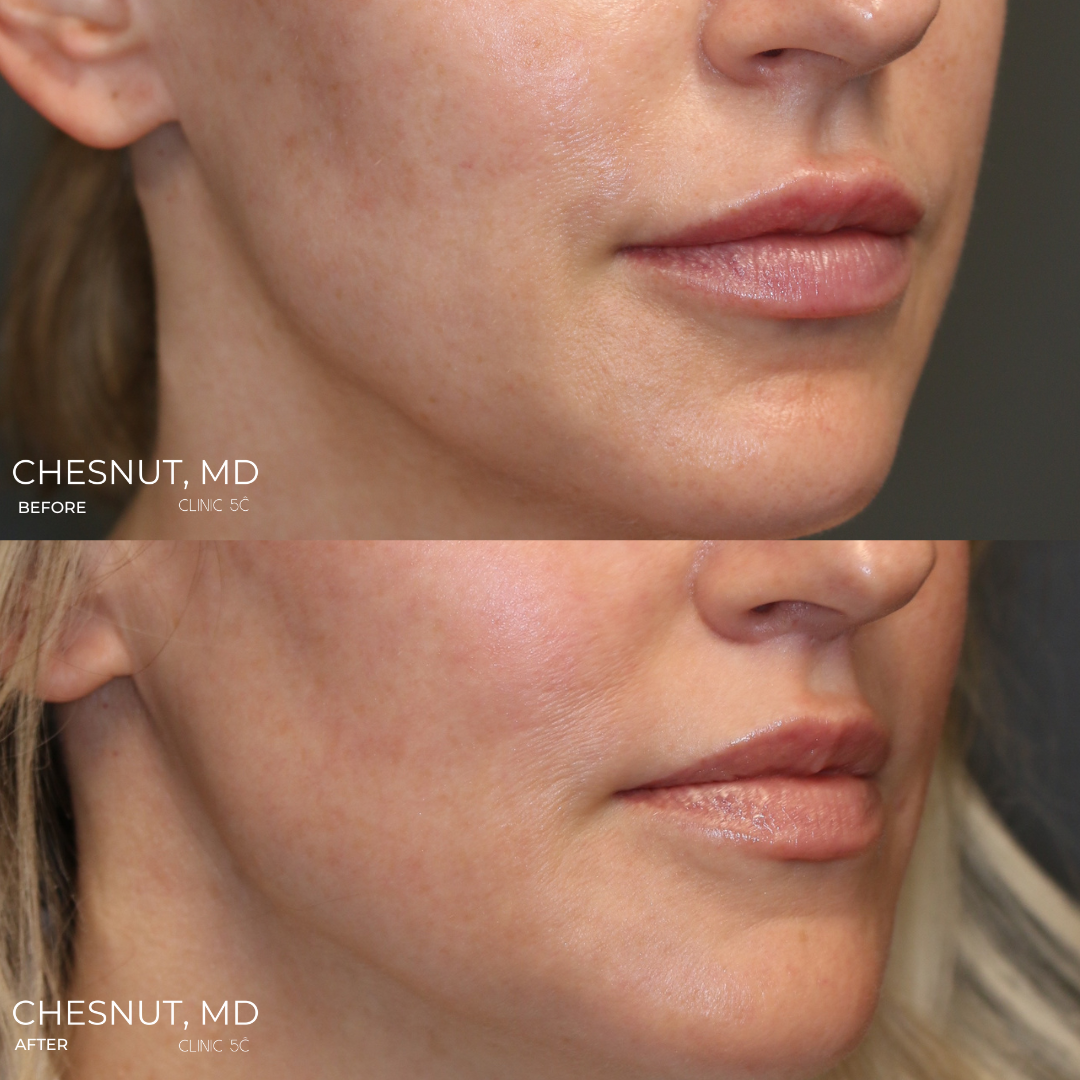
In my clinical practice, an increasing number of patients present with lips that appear elongated or flattened, often due to prior overfilling or filler migration rather than natural aging alone.
One such example is Hannah, who had received lip filler over several years before seeking further evaluation. Over time, changes in lip shape and smile dynamics became more noticeable, particularly at the corners of the mouth.
Rather than adding more filler, her treatment plan focused on addressing the underlying structural issues contributing to these changes.
Introducing the Enigmalift LoveLift Procedure
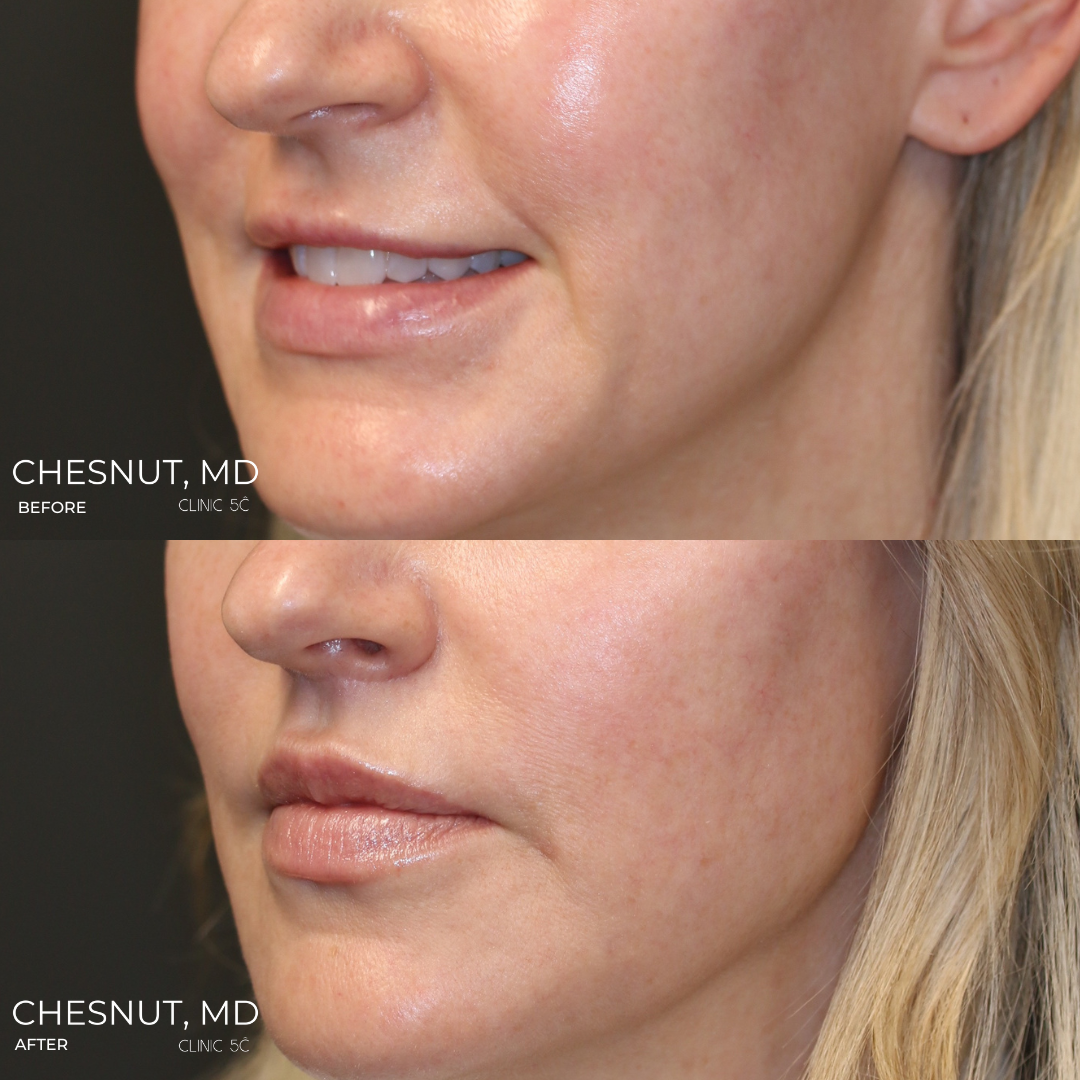
As part of Hannah’s lip lift, we manually removed the migrated filler and then, elevated, everted, symmetrically shaped, and recreated a natural contour.
From the central cupid’s bow all the way to the corners, we restored balance and harmony to her lips. All without filler.
Choosing the Right Approach
There is no single “best” treatment for lip aging. The right approach depends on your anatomy, skin quality, goals, and how your lips are changing over time. In many cases, a combination of treatments or a staged plan delivers more natural and durable results than filler alone.
For help in your decision-making process, read our article on How to Choose a Facial Plastic Surgeon, where experience, restraint, and long-term thinking matter more than trends.
Final Takeaway
Lip fillers can be a tool when used thoughtfully and conservatively. They do not intrinsically make lips age faster. The most important factors for enduring, natural-looking results are professional expertise, individualized planning, and realistic expectations.
If you’re considering lip enhancement, a personalized consultation with an experienced facial plastic surgeon may help you understand what approach best supports both your current concerns and future aesthetic timeline.
.avif)
Ready to begin your wellness journey?
Fax: (844) 961-3417