


Lower Eyelid Retraction Correction
%20(1).webp)
What Is Lower Eyelid Retraction Correction?
Lower eyelid retraction occurs when the lower eyelid sits too low beneath the iris, exposing excess white of the eye and creating a rounded, pulled-down, or fatigued appearance.
This condition most commonly develops after prior cosmetic eyelid surgery, especially when aggressive skin or fat removal weakens the structural support of the lower eyelid.
Dr. Cameron Chesnut specializes in advanced revision eyelid surgery using preservation-focused techniques designed to restore natural eyelid position, improve function, and preserve facial identity.
Depending on anatomy and surgical history, treatment may include:
- Scarless lower eyelid revision
- Midface support restoration
- Canthopexy or structural tightening
- Fat transfer or stem-cell-rich fat transfer
- Grafting techniques
- Laser resurfacing and regenerative therapies
The goal is not simply to tighten the eyelid, but to restore natural contour, comfort, support, and harmony throughout the eye area.

Benefits of Lower Eyelid Retraction Correction
Restores Natural Eyelid Position
Improves lower eyelid support and contour to restore a more natural, harmonious eye shape.
Improves Comfort & Function
May reduce dryness, irritation, and exposure symptoms caused by lower eyelid descent.
Advanced Revision Expertise
Customized revision techniques address complex lower eyelid concerns caused by prior surgery, aging, or structural changes.
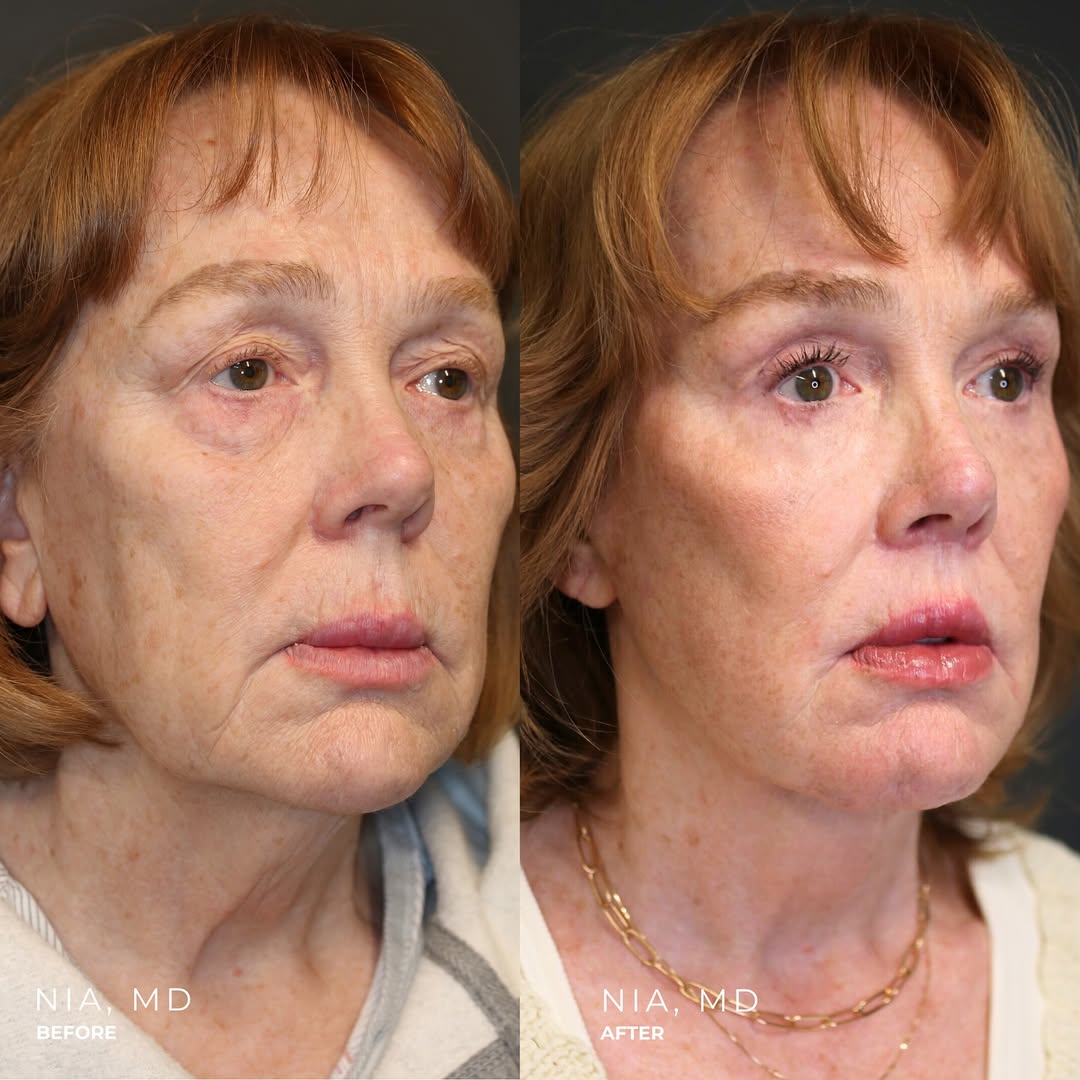
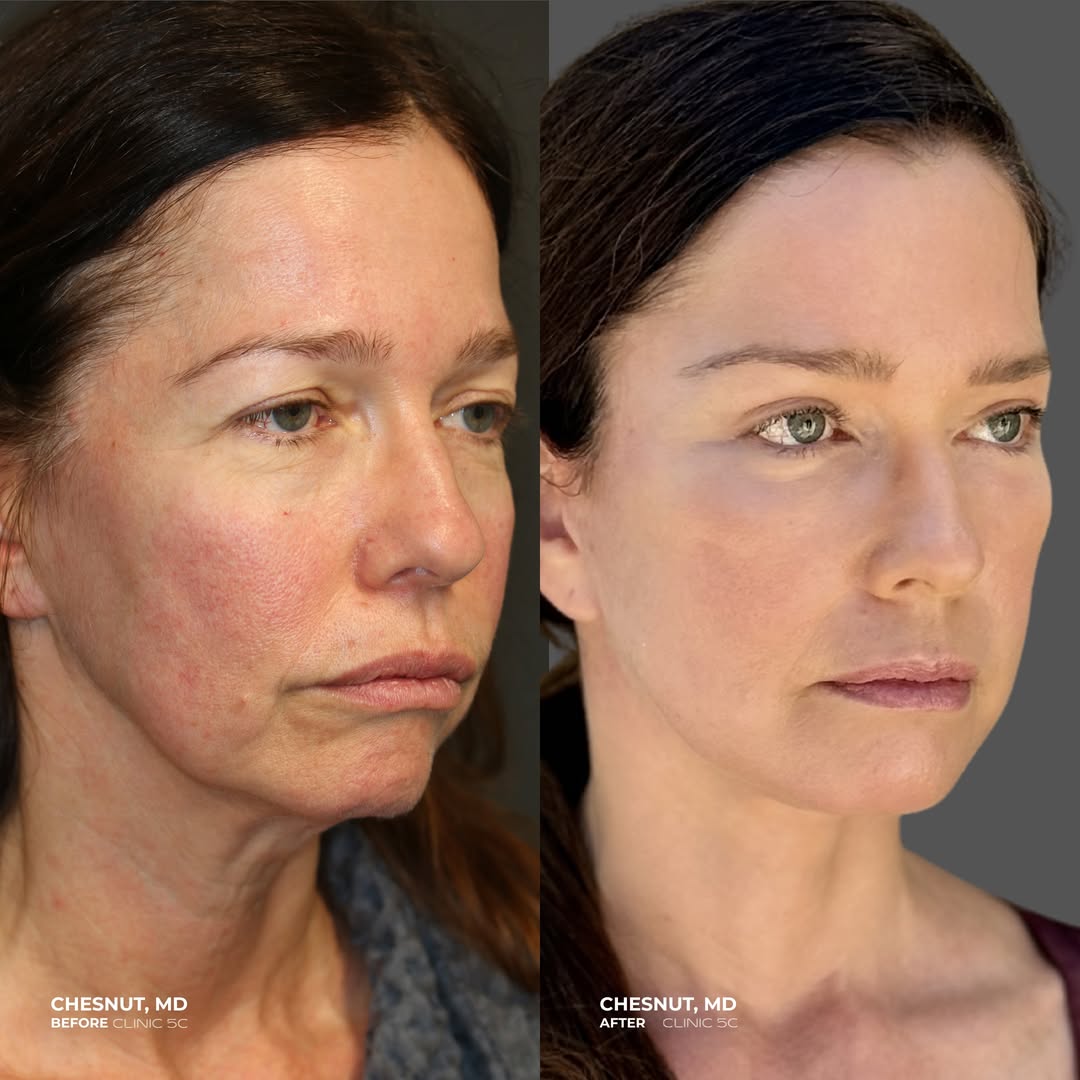
Am I a Good Candidate for Lower Eyelid Retraction Correction?
Patients considering lower eyelid retraction correction are often experiencing changes that affect both appearance and eye comfort.
You may be a candidate if you notice:
- Excess white showing beneath the iris
- Rounded or pulled-down lower eyelids
- Difficulty fully closing the eyes
- Dryness or irritation
- Hollow or unnatural lower eyelid appearance
- Previous lower eyelid surgery complications
- Lower eyelid asymmetry
Here, revision eyelid surgery is approached with structural precision and preservation-focused planning designed to restore natural eyelid support while avoiding overcorrection.
Lower Eyelid Retraction Correction Procedure Overview
Consultation & Structural Eye Evaluation
Structural Support Restoration
Contour & Functional Refinement
Recovery & Regenerative Support
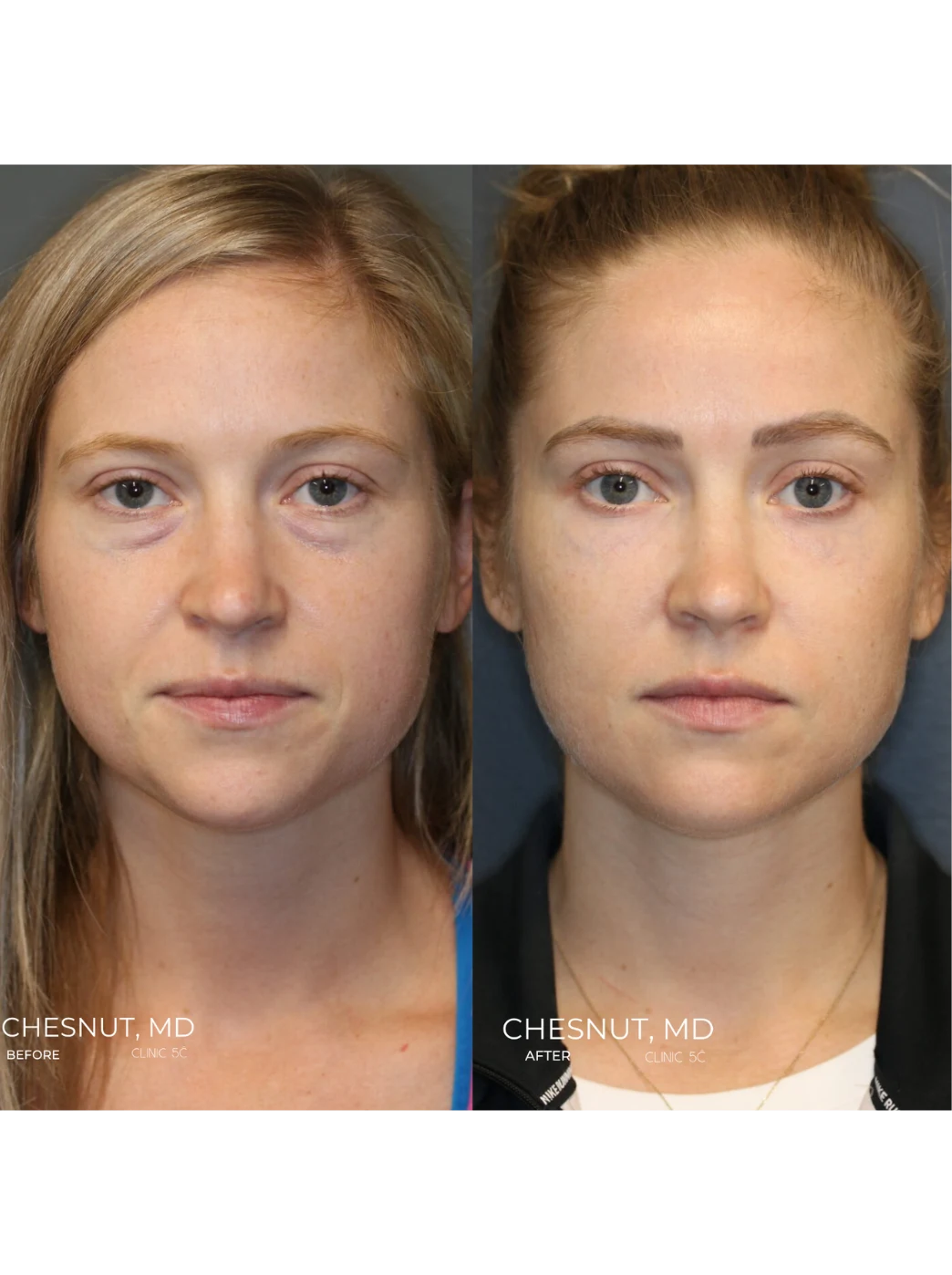
Lower Eyelid Retraction Results Designed To Look Natural
Lower eyelid retraction correction is designed to restore natural eyelid support, comfort, and eye balance without creating an overcorrected appearance.
Rather than dramatically changing eye shape, the procedure focuses on rebuilding structural support and restoring harmony between the eyelid, cheek, and surrounding facial anatomy.
Patients often notice:
- Less scleral show beneath the eyes
- Improved lower eyelid position
- Better eyelid comfort and closure
- Smoother eyelid-cheek transition
- Reduced irritation and dryness
- More natural, refreshed eyes
With Dr. Cameron Chesnut, revision eyelid surgery is approached with precision, restraint, and preservation-focused planning designed to maintain what makes each patient uniquely recognizable.

Lower Eyelid Retraction Recovery & Healing Timeline
First 72 Hours
Week 1
Week 2-4
Long-Term Refinement
Recovery Support at Clinic 5C

Healing is an essential part of achieving refined, natural-looking results. At Clinic 5C, recovery is approached with the same level of precision and personalization as the procedure itself.
Your treatment plan may incorporate regenerative recovery therapies designed to support circulation, oxygen delivery, inflammation management, and tissue integration throughout healing.
Recovery support at Clinic 5C may include:
- Hyperbaric Oxygen Therapy
- LED Light Therapy
- BioCharger Device
- PEMF (Pulsed Electro-Magnetic Frequency)
- Targeted Supplements
- IV Nutrition
- Advanced Skincare Guidance
Our integrated approach is designed to support both healing and long-term skin quality while helping patients feel cared for throughout every stage of recovery.
The Clinic 5C Difference
Thoughtful By Design
Facial Expertise
Regenerative Philosophy
Personalized Treatment Planning
Concierge-Level Experience



Lower Eyelid Revision Surgery FAQs
What is lower eyelid retraction?
Lower eyelid retraction occurs when the lower eyelid sits too low beneath the iris, exposing excess white of the eye and creating a rounded or pulled-down appearance.
What causes lower eyelid retraction?
The most common cause is previous cosmetic eyelid surgery involving aggressive skin or fat removal. Aging, genetics, trauma, scarring, and structural eyelid weakness may also contribute.
Can lower eyelid retraction affect vision or comfort?
Yes. Lower eyelid retraction may lead to dryness, irritation, exposure symptoms, incomplete eye closure, and general eye discomfort due to inadequate eyelid support.
Is lower eyelid retraction correction considered revision surgery?
In many cases, yes. Lower eyelid retraction correction is often performed to address complications or structural changes caused by previous eyelid surgery.
Will correction surgery make my eyes look natural again?
Dr. Chesnut and his team have a goal to restore natural eyelid contour, support, and facial harmony while preserving the patient’s authentic eye shape and expression.
What is scleral show?
Scleral show refers to excess visibility of the white part of the eye beneath the iris, commonly caused by lower eyelid descent or structural weakness.
Can lower eyelid retraction be corrected without visible scars?
Many revision procedures here utilize scarless or invisible-access techniques whenever anatomy and surgical goals allow.
Is a midface lift sometimes needed with lower eyelid revision?
Yes. Midface support is often an important component of lower eyelid reconstruction because cheek descent can contribute to lower eyelid instability and poor support.
What is recovery like after lower eyelid retraction correction?
Most patients experience swelling, bruising, tightness, and temporary dryness during the first one to two weeks, with continued refinement occurring gradually over several months.
Why do patients travel to Dr. Chesnut in Coeur d’Alene for revision eyelid surgery?
Patients seek out Dr. Chesnut for his expertise in complex eyelid revision surgery, preservation-focused techniques, invisible-access approaches, and natural-looking reconstructive outcomes designed to restore both form and function.
Ready To Start Your Journey?
Fax: (844) 961-3417