


Ptosis Correction
%20(1).webp)
What Is Ptosis Correction?
Ptosis correction is an advanced eyelid procedure designed to repair drooping upper eyelids caused by weakening of the muscles responsible for lifting the lid.
Dr. Cameron Chesnut performs ptosis repair using the proprietary EnigmaLift approach, a preservation-focused technique designed to restore eyelid function, visual openness, and natural eye balance without creating an overcorrected or unnatural appearance.
Unlike standard cosmetic eyelid surgery, ptosis correction addresses deeper structural and muscular causes of eyelid drooping rather than simply removing excess skin.
Depending on anatomy and surgical goals, treatment may include:
- Ptosis muscle repair
- Fat transfer or volume restoration
- Structural eyelid support
- Temporal fascia grafting
- Upper eyelid refinement
- Brow optimization
The goal is not simply to lift the eyelid, but to restore natural openness, symmetry, and harmony throughout the upper face.

Benefits of EnigmaLift Ptosis Correction
Improved Eyelid Function
Restores support to weakened eyelid structures to improve openness, comfort, and upper visual field.
Natural Eye Rejuvenation
Refreshes heavy or drooping eyes while preserving natural eye shape, expression, and facial balance.
Advanced Structural Restoration
May incorporate fat transfer, grafting, and structural support techniques for complex eyelid concerns and revision cases.

Am I a Good Candidate for Ptosis Correction?
Patients considering ptosis correction often notice heaviness or drooping around the eyes that creates a tired, fatigued, or asymmetrical appearance.
You may be a candidate if you notice:
- Drooping upper eyelids
- Reduced upper field of vision
- Eyelid asymmetry
- Eye fatigue or heaviness
- Loss of upper eyelid volume
- Concave upper eyelids after prior surgery
- Difficulty appearing rested or alert
Here, ptosis correction is approached with structural precision and preservation-focused planning designed to restore natural function and appearance while maintaining facial identity.
Ptosis Correction Procedure Overview
Consultation & Structural Eye Evaluation
Structural Restoration & Support
Precise Eyelid Repositioning
Recovery & Regenerative Healing Support
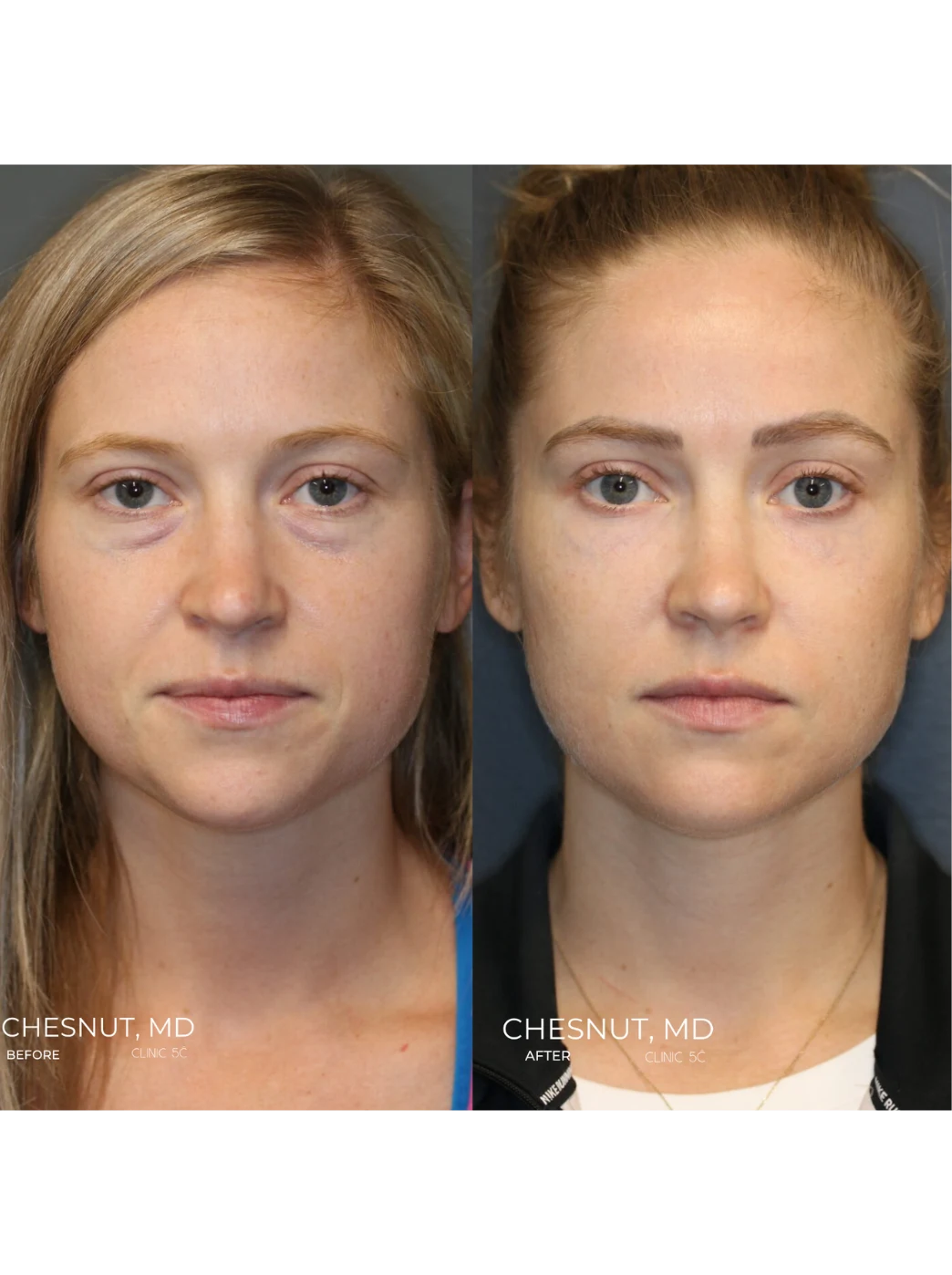
Ptosis Correction Results Designed To Look Natural
The EnigmaLift Ptosis Correction is designed to restore openness and balance to the eyes without creating an overcorrected or surgically obvious appearance.
Rather than dramatically changing eye shape, the procedure focuses on restoring natural eyelid position, symmetry, and visual brightness while preserving the patient’s facial identity.
Patients often notice:
- More open, alert eyes
- Improved upper visual field
- Better eyelid symmetry
- Reduced heaviness and fatigue
- Restoration of youthful upper eyelid contour
- Natural-looking rejuvenation without visible signs of surgery
Here ptosis correction is approached with preservation-focused precision designed to restore both function and aesthetics in harmony.

Ptosis Correction Recovery & Healing Timeline
First 72 Hours
Week 1
Week 2-4
Long-Term Refinement
Recovery Support at Clinic 5C

Healing is an essential part of achieving refined, natural-looking results. At Clinic 5C, recovery is approached with the same level of precision and personalization as the procedure itself.
Your treatment plan may incorporate regenerative recovery therapies designed to support circulation, oxygen delivery, inflammation management, and tissue integration throughout healing.
Recovery support at Clinic 5C may include:
- Hyperbaric Oxygen Therapy
- LED Light Therapy
- BioCharger Device
- PEMF (Pulsed Electro-Magnetic Frequency)
- Targeted Supplements
- IV Nutrition
- Advanced Skincare Guidance
Our integrated approach is designed to support both healing and long-term skin quality while helping patients feel cared for throughout every stage of recovery.
The Clinic 5C Difference
Thoughtful By Design
Facial Expertise
Regenerative Philosophy
Personalized Treatment Planning
Concierge-Level Experience



Ptosis Correction FAQs
What is ptosis?
Ptosis is the drooping of the upper eyelid caused by weakening of the muscles responsible for lifting the eyelid. It may affect appearance, vision, or both.
How is ptosis correction different from upper eyelid surgery?
Upper eyelid surgery primarily addresses excess skin and heaviness, while ptosis correction repairs the deeper muscle and structural issues responsible for eyelid drooping.
Can ptosis correction improve vision?
Yes. In many patients, lifting the drooping eyelid improves the upper field of vision and reduces visual obstruction caused by eyelid descent.
Will ptosis correction change my eye shape?
The goal with Dr. Chesnut and his team is to restore natural openness and symmetry while preserving authentic eye shape and facial identity.
What causes ptosis?
Ptosis may develop due to aging, weakened eyelid muscles, genetics, prior surgery, trauma, or neurologic conditions affecting eyelid support.
Can ptosis correction help asymmetrical eyes?
Yes. Ptosis repair is commonly performed to improve eyelid asymmetry and restore more balanced upper facial appearance.
What is recovery like after ptosis correction?
Most patients experience swelling and bruising during the first one to two weeks, with continued refinement occurring gradually over the following months.
Can ptosis correction be combined with other procedures?
Yes. Ptosis correction is frequently combined with:
- Upper eyelid surgery
- Scarless Lower Eyelid rejuvenation
- Brow Lifting
- Stem Cell-Rich Fat Transfer
- Laser Resurfacing
- Midface Rejuvenation
What is temporal fascia grafting?
Temporal fascia grafting is an advanced reconstructive technique sometimes used in revision or complex eyelid cases to rebuild structural support and restore natural contour.
Why do patients travel to Dr. Chesnut in Coeur d’Alene for ptosis correction?
Patients seek out Dr. Chesnut’s expertise in advanced eyelid surgery, preservation-focused rejuvenation, revision work, and regenerative recovery protocols designed to support refined, natural-looking outcomes.
Ready To Start Your Journey?
Fax: (844) 961-3417